
Crafting effective healthcare policy requires more than political will—it demands scientific accuracy, stakeholder engagement, and a deep understanding of clinical implications. Endocrine Society policy advisors bring all three elements together, serving as critical intermediaries between the scientific community and policymakers. Their expertise lies in translating complex endocrine research into actionable policy recommendations that address issues such as diabetes prevention, thyroid screening, hormone therapy access, and environmental endocrine disruptors. By staying attuned to evolving regulatory landscapes, these advisors help shape national and international policies that reflect current evidence and protect patient health
Endocrine Society policy advisors often collaborate with legislative bodies, government agencies, and public health organizations to advocate for funding, guideline implementation, and health equity. They contribute to position statements, comment on proposed regulations, and participate in advisory panels that influence decision-making on issues ranging from endocrine-disrupting chemicals to telemedicine reimbursement for hormone-related conditions. Many are also involved in organizing educational briefings and stakeholder roundtables, ensuring that policymakers are informed by credible, peer-reviewed science. Their impact extends beyond traditional lobbying—they influence how endocrine health is prioritized across public health agendas and how access to evidence-based care is expanded. By aligning scientific integrity with strategic advocacy, they help shape policies that support both individual and population-wide endocrine health outcomes.

F Buck Willis
Christian College of Medicine, Belize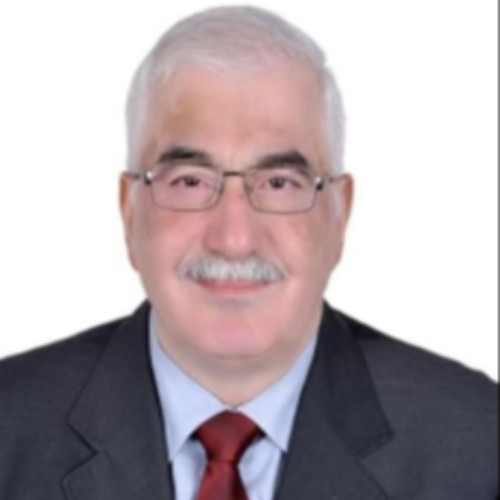
Mahir Khalil Ibrahim Jallo
Thumbay University Hospital, United Arab Emirates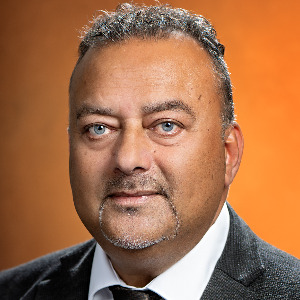
Anil Harrison
Midwestern University, United States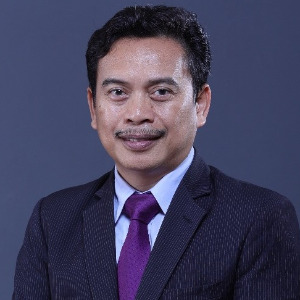
Wan Rosli Wan Ishak
Universiti Sains Malaysia, MalaysiaMahir Khalil Ibrahim Jallo
Thumbay University Hospital, United Arab EmiratesF Buck Willis
Christian College of Medicine, BelizeAnil Harrison
Midwestern University, United States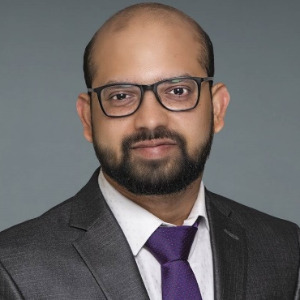
Sujith Rajan
NYU Long Island School of Medicine, United StatesWan Rosli Wan Ishak
Universiti Sains Malaysia, Malaysia

Title : Changes in the global incidence of diabetes over a quarter century
F Buck Willis, Christian College of Medicine
Title : Vascular health with glucagon-like peptide-1 receptor agonists
Mahir Khalil Ibrahim Jallo, Thumbay University Hospital
Title : The prowess of Overripe Banana Sweetener (OBS) in enhancing nutritive values in food and ameliorating glycaemic responses in type 2 diabetes mellitus
Wan Rosli Wan Ishak, Universiti Sains Malaysia
Title : Wound care 2.0 creating a wound care culture TM
David Navazio, Gentell
Title : Association between diabetes technology use and prevalent macrovascular disease in adults with type 1 diabetes: A cross-sectional analysis
Divanshi Trivedi, London Northwest Hospital NHS Foundation Trust
Title : Beyond the prescription: Using GLP 1 science and lifestyle coaching to prevent prediabetes and support long term blood sugar control
Keith Hersey, Founder/CEO Destroying Diabetes
Title : Intensive versus standard blood pressure control in type 2 diabetes: Cardiovascular and microvascular outcomes
Muhammad Basil Raza, East Lancashire Hospitals NHS Trust
Title : Fetomaternal outcomes in gestational diabetes mellitus with and without polycystic ovary syndrome
Vinita Singh, AIIMS
Title : Effects of a structured education program on glycemic control in type 1 diabetes
Ana Paula Franco Pacheco, Estacio University of Brasília
Title : Cardiorespiratory fitness inflammatory and neurotrophic biomarkers and cognitive function in early versus longer duration type 2 diabetes mellitus
Arbind Kumar Choudhary, All India Institute of Medical Sciences