
Blood viscosity, or the thickness of blood, is a critical factor that can be altered in diabetic patients, influencing circulation and increasing the risk of cardiovascular complications. Elevated glucose levels can lead to changes in blood properties, promoting hyperviscosity, which may impair microcirculation and contribute to conditions such as neuropathy and retinopathy. High blood viscosity can also affect the delivery of oxygen and nutrients to tissues, exacerbating complications associated with diabetes. Regular monitoring of blood viscosity, alongside maintaining optimal glucose control and lipid profiles, is crucial for preventing vascular complications. Patients are encouraged to stay hydrated, as proper fluid intake can help maintain lower blood viscosity. Additionally, dietary adjustments, such as incorporating omega-3 fatty acids, and engaging in regular physical activity can improve blood flow and reduce viscosity. Understanding and managing blood viscosity changes is essential for comprehensive diabetes care and can significantly impact patient health outcomes.

F Buck Willis
Christian College of Medicine, Belize
Mahir Khalil Ibrahim Jallo
Thumbay University Hospital, United Arab Emirates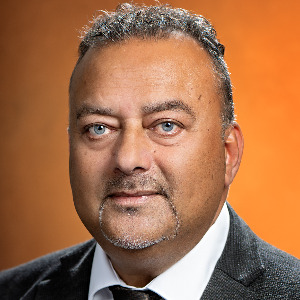
Anil Harrison
Midwestern University, United States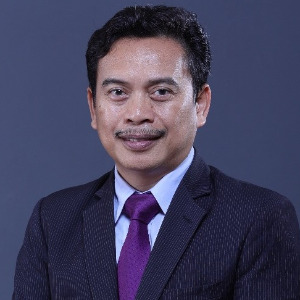
Wan Rosli Wan Ishak
Universiti Sains Malaysia, MalaysiaMahir Khalil Ibrahim Jallo
Thumbay University Hospital, United Arab EmiratesF Buck Willis
Christian College of Medicine, BelizeAnil Harrison
Midwestern University, United States
Sujith Rajan
NYU Long Island School of Medicine, United StatesWan Rosli Wan Ishak
Universiti Sains Malaysia, Malaysia

Title : Changes in the global incidence of diabetes over a quarter century
F Buck Willis, Christian College of Medicine
Title : Vascular health with glucagon-like peptide-1 receptor agonists
Mahir Khalil Ibrahim Jallo, Thumbay University Hospital
Title : The prowess of Overripe Banana Sweetener (OBS) in enhancing nutritive values in food and ameliorating glycaemic responses in type 2 diabetes mellitus
Wan Rosli Wan Ishak, Universiti Sains Malaysia
Title : Wound care 2.0 creating a wound care culture TM
David Navazio, Gentell
Title : Association between diabetes technology use and prevalent macrovascular disease in adults with type 1 diabetes: A cross-sectional analysis
Divanshi Trivedi, London Northwest Hospital NHS Foundation Trust
Title : Beyond the prescription: Using GLP 1 science and lifestyle coaching to prevent prediabetes and support long term blood sugar control
Keith Hersey, Founder/CEO Destroying Diabetes
Title : Intensive versus standard blood pressure control in type 2 diabetes: Cardiovascular and microvascular outcomes
Muhammad Basil Raza, East Lancashire Hospitals NHS Trust
Title : Fetomaternal outcomes in gestational diabetes mellitus with and without polycystic ovary syndrome
Vinita Singh, AIIMS
Title : Effects of a structured education program on glycemic control in type 1 diabetes
Ana Paula Franco Pacheco, Estacio University of Brasília
Title : Cardiorespiratory fitness inflammatory and neurotrophic biomarkers and cognitive function in early versus longer duration type 2 diabetes mellitus
Arbind Kumar Choudhary, All India Institute of Medical Sciences