
In diabetes, chronic high blood glucose levels (hyperglycemia) can cause significant cellular damage, particularly in tissues like the kidneys, eyes, and nerves. Cellular repair mechanisms, including autophagy, apoptosis, and DNA repair pathways, are crucial for mitigating this damage. Autophagy, a process by which cells degrade and recycle damaged organelles and proteins, plays a protective role by removing toxic byproducts and reducing oxidative stress. However, in diabetes, these repair processes can become overwhelmed or dysfunctional, leading to the progression of complications such as diabetic retinopathy, nephropathy, and neuropathy. Enhancing cellular repair mechanisms through pharmacological interventions or lifestyle changes may offer therapeutic potential for slowing or preventing the long-term complications of diabetes, ultimately improving patient outcomes.

F Buck Willis
Christian College of Medicine, Belize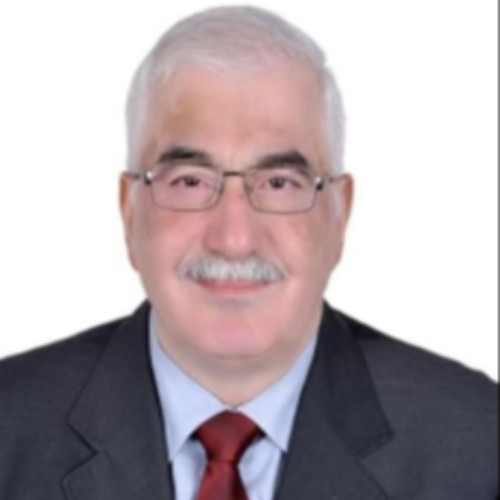
Mahir Khalil Ibrahim Jallo
Thumbay University Hospital, United Arab Emirates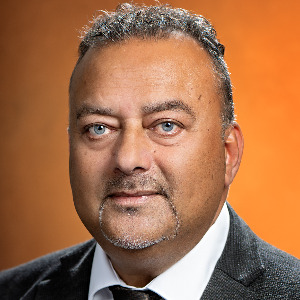
Anil Harrison
Midwestern University, United States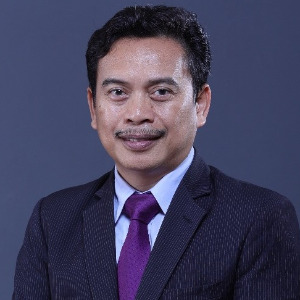
Wan Rosli Wan Ishak
Universiti Sains Malaysia, MalaysiaMahir Khalil Ibrahim Jallo
Thumbay University Hospital, United Arab EmiratesF Buck Willis
Christian College of Medicine, BelizeAnil Harrison
Midwestern University, United States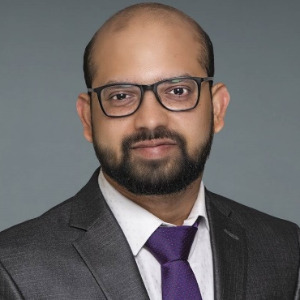
Sujith Rajan
NYU Long Island School of Medicine, United StatesWan Rosli Wan Ishak
Universiti Sains Malaysia, Malaysia

Title : Changes in the global incidence of diabetes over a quarter century
F Buck Willis, Christian College of Medicine
Title : Vascular health with glucagon-like peptide-1 receptor agonists
Mahir Khalil Ibrahim Jallo, Thumbay University Hospital
Title : The prowess of Overripe Banana Sweetener (OBS) in enhancing nutritive values in food and ameliorating glycaemic responses in type 2 diabetes mellitus
Wan Rosli Wan Ishak, Universiti Sains Malaysia
Title : Wound care 2.0 creating a wound care culture TM
David Navazio, Gentell
Title : Association between diabetes technology use and prevalent macrovascular disease in adults with type 1 diabetes: A cross-sectional analysis
Divanshi Trivedi, London Northwest Hospital NHS Foundation Trust
Title : Beyond the prescription: Using GLP 1 science and lifestyle coaching to prevent prediabetes and support long term blood sugar control
Keith Hersey, Founder/CEO Destroying Diabetes
Title : Intensive versus standard blood pressure control in type 2 diabetes: Cardiovascular and microvascular outcomes
Muhammad Basil Raza, East Lancashire Hospitals NHS Trust
Title : Fetomaternal outcomes in gestational diabetes mellitus with and without polycystic ovary syndrome
Vinita Singh, AIIMS
Title : Effects of a structured education program on glycemic control in type 1 diabetes
Ana Paula Franco Pacheco, Estacio University of Brasília
Title : Cardiorespiratory fitness inflammatory and neurotrophic biomarkers and cognitive function in early versus longer duration type 2 diabetes mellitus
Arbind Kumar Choudhary, All India Institute of Medical Sciences